

Environmental Learning Center
Bird Conservancy of the Rockies operates an Environmental Learning Center out of its headquarters on the north side of Barr Lake State Park near Brighton, Colorado. Many programs for schools, homeschool students and families are held at the center, located at 14500 Lark Bunting Lane in Brighton.
The Bird Conservancy works to raise awareness and influence attitudes and behaviors to promote stewardship of natural resources. The center’s unique location, 20 minutes from downtown Denver at the interface of the mountains and plains and along the Central Flyway, makes it an ideal spot to bring people and nature together for the benefit of both.
History of the Center
An oasis that attracted settlers to build their home on the prairie northeast of Denver in 1889 is now attracting people to connect with nature and appreciate their role in a healthy environment. The settlers’ home – now known as the Old Stone House – is Bird Conservancy of the Rockies’ main office and the location of its Environmental Learning Center. The historic building on the north side of Barr Lake is a local and regional resource, opening a window to Colorado’s past and providing a place to learn how to create healthy human and wildlife communities.
Yesterday
Native tribes knew the water-logged depression that has become Barr Lake as a buffalo wallow. After farming began to expand in the area in the late 1800s, canals were constructed to bring water to the wallow for irrigation, and it was named Oasis Reservoir. A 47-foot dam constructed in 1909 to meet the demand for irrigation water enlarged the lake and began the area’s evolution into an important wildlife refuge, especially for birds.
Emil Brunderlin and his family completed the stone house in 1890 using techniques and style that reflected their Swiss heritage to construct Barr City’s “most substantial home.” Unlike the neighbors who farmed their land, Emil was a bookbinder. The family of five had animals, gardens and fruit trees to feed themselves. Unfortunately, Emil died in 1892 in an accident as he boarded a train returning from a trip to Denver. Several owners occupied the house after his death, and eventually it was abandoned.
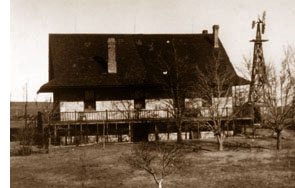
The Colorado Division of Parks purchased the house and 2,700 associated acres in 1975 and opened Barr Lake State Park in 1977. The house was designated as a State Historic Landmark in 1996, giving momentum to an emerging vision for its use. The park partnered with Bird Conservancy of the Rockies (then Colorado Bird Observatory) to raise funds to restore the house. In 2000, it became the Bird Conservancy’s home.
Today
The Environmental Learning Center sits on the north side of Barr Lake. Nestled within diverse habitats, including native prairie, wetlands, the lake, wooded areas and croplands, Barr Lake State Park attracts migratory birds and local wildlife. More than 350 bird species have been recorded at the park, which lies within the Central Flyway, the migratory highway through the Great Plains that connects wintering habitat in Mexico and beyond with breeding habitat in the U.S. and Canada. The Bird Conservancy has always called Barr Lake home, making it the perfect place to open its Environmental Learning Center.
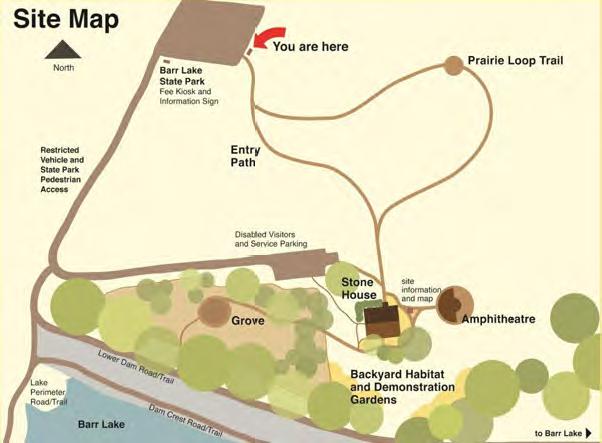
With help from business, agency, community and volunteer partners, the Bird Conservancy has created a place to engage people in conservation through demonstrations, workshops, field trips, day camps, self-guided discovery and more. An Adams County Open Space grant helped fund better access through the state park’s north entrance and increased recreation and environmental education opportunities. New trails and interpretive signs in English and Spanish bring stewardship to life.
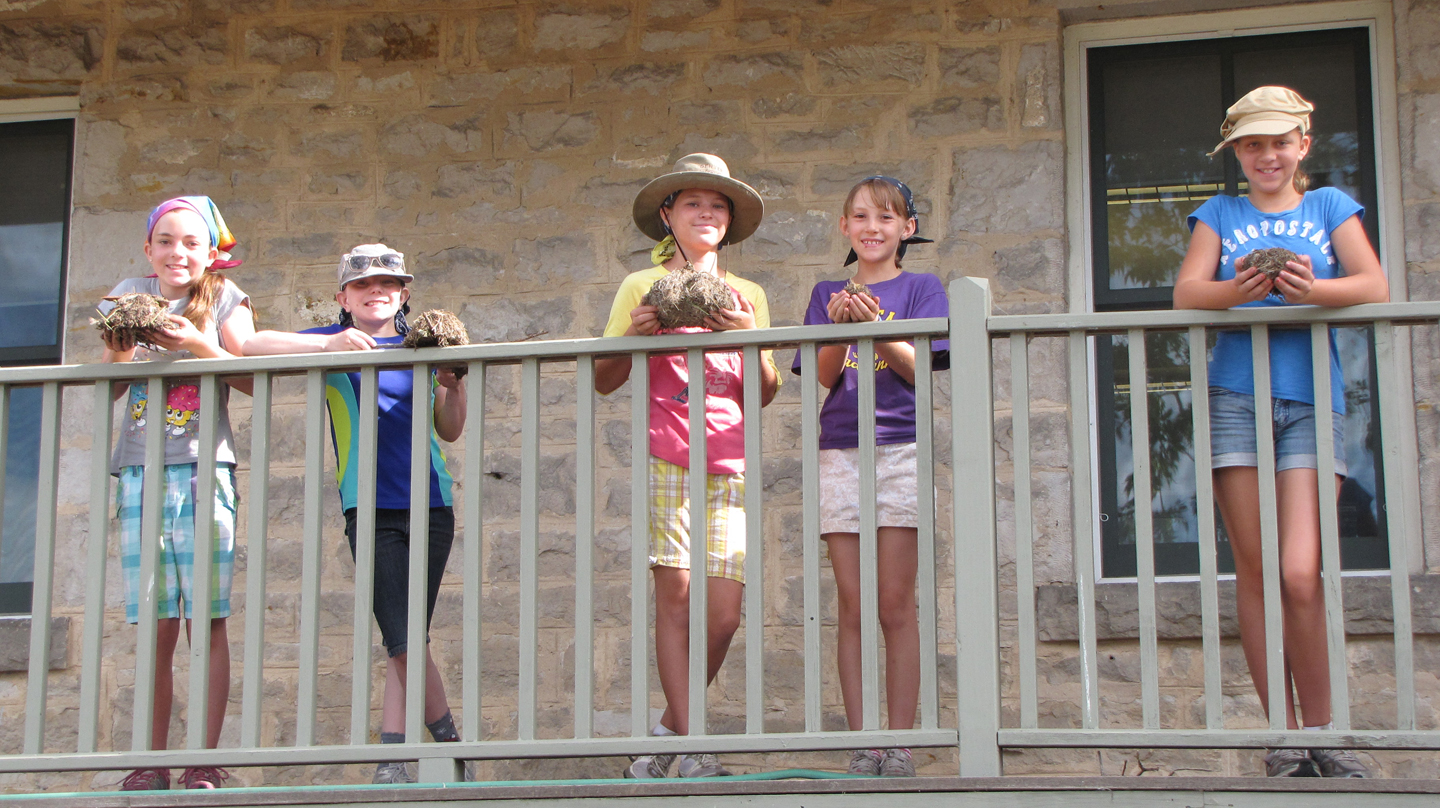
An outdoor amphitheater accommodates landowner, teacher, student and family programs that encourage taking responsibility for conservation action. Demonstration gardens showcase ways to improve the land and create beneficial habitat for birds in backyards, neighborhoods and communities.
Looking to learn more about the Environmental Learning Center grounds? Check out our Audio Tour of the main spaces we use at the ELC. Listen to it before your visit or while you are visiting the grounds!
The Bird Conservancy’s education programs are partially supported by the Scientific & Cultural Facilities District, a 0.1% retail sales tax that generates revenue for organizations in the Denver Metro area. This contributes to a solid, enduring foundation for the learning center. Thus, an oasis on the prairie that a pioneer Colorado family called home has evolved into an oasis of learning about healthy landscapes and communities for wildlife and humans. But the story is not yet finished…
Tomorrow
“A healthy home for birds is a healthy home for all of us” is the theme of the Environmental Learning Center. It is a place where people can discover a sense of place in the arid West, embrace stewardship of the land, broaden their appreciation of and interaction with the natural world, and learn about simple things they can do in their yards and communities to make a positive difference for wildlife and people.
The Bird Conservancy’s staff and board will continue to use the center as a place to connect people to nature for generations to come. The Bird Conservancy encourages and welcomes support and contributions from people who share the vision of a healthy home for all of us.